.svg)

of new woodland are planted across the UK every year, helping to create resilient forests for future generations.
of certified woodlands are managed in the UK, supporting biodiversity and responsible timber production.
The UK forestry industry contributes £2.8 billion to the national economy each year.
Each timber-frame home uses 12–15 tonnes of timber, with around 20,000 homes built annually in the UK.
To make sure land is managed in a way that protects and supports nature. This can include surveys, monitoring, and advice to help balance forestry, development, and conservation.
All Euroforest sites are surveyed in advance of works by our in-house ecology team and where protected species are found we follow the standard of the “Mitigation Hierarchy” which is adopted on all our sites with regards to the potential ecological impacts of the proposals. Engagement with the relevant stakeholders is sought at an early stage to confirm compliance and outline the need to work under specific licences to safe guard species found on site.
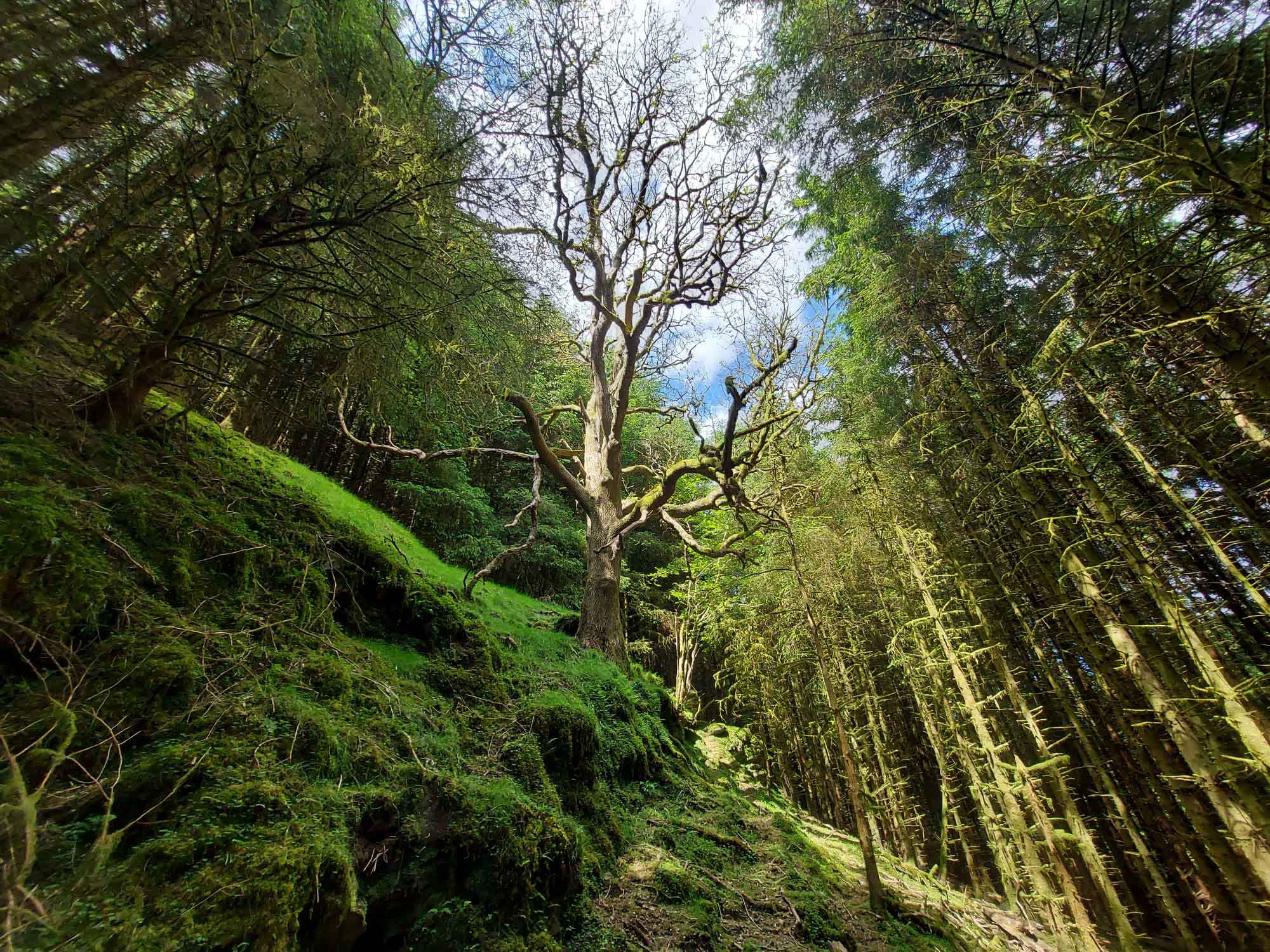
Habitat enhancement delivers benefits beyond biodiversity. A single mature oak tree can support more than 2,300 species, while healthy wetlands can store significant amounts of carbon and help reduce flood risk.
1,150+ species are protected under UK wildlife legislation, helping safeguard biodiversity for future generations.
Habitats created or enhanced through Biodiversity Net Gain must be maintained for a minimum of 30 years, delivering long-term benefits for wildlife and local communities.
It involves understanding the quality and quantity of timber available, finding suitable buyers, and securing the best return for landowners while ensuring the wood is used sustainably.
Forestry in the UK contributes to storing over 18 million tonnes of CO2 annually
The UK forestry sector supports a large number of jobs across the industry supply chain
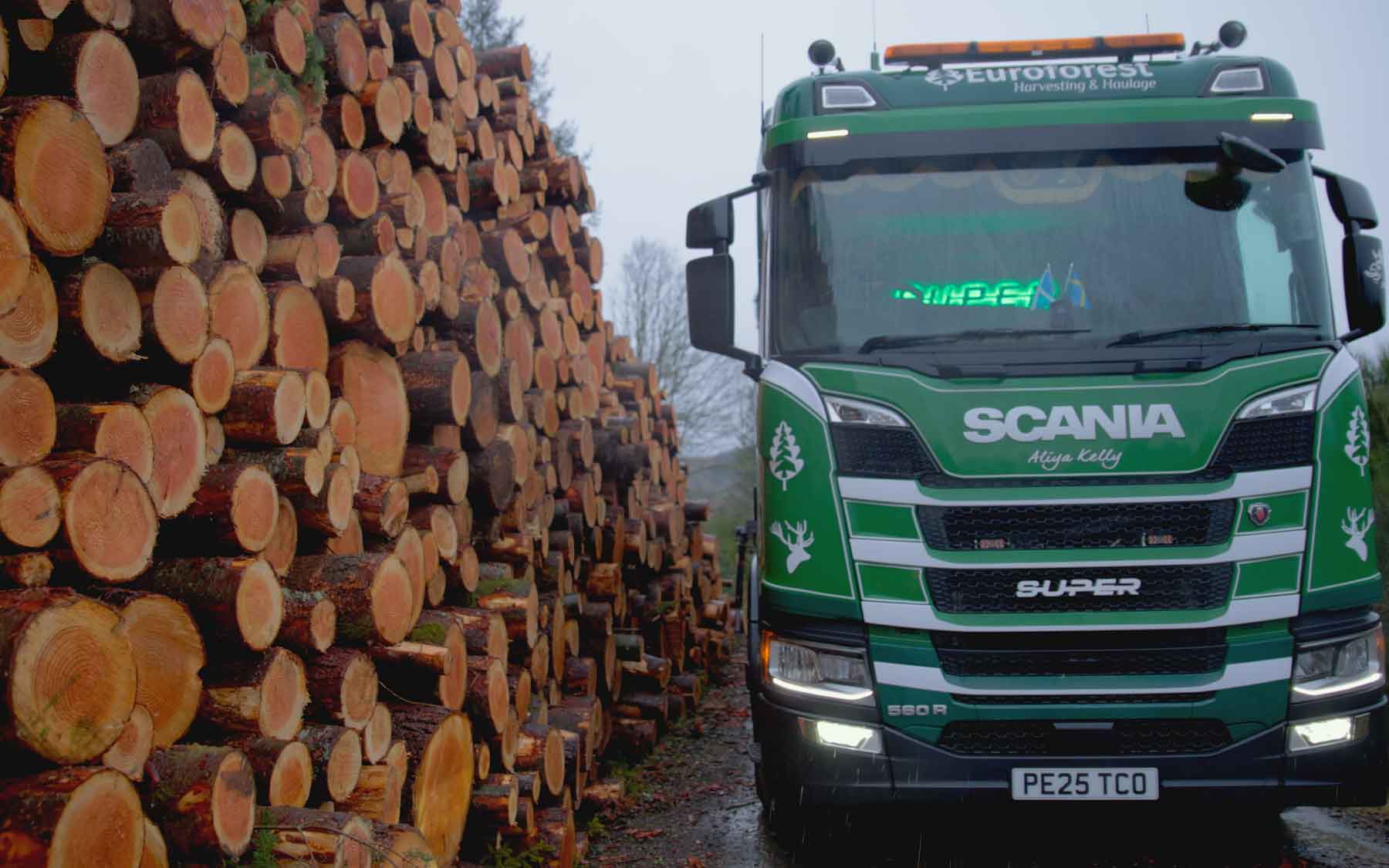
It is a planned and careful process carried out by professional forestry teams. Although it can look like a lot of activity on site, thinning is part of normal woodland management and helps improve the long-term health, stability, and quality of the forest. It also encourages a more diverse woodland structure and supports better growing conditions for the remaining trees.
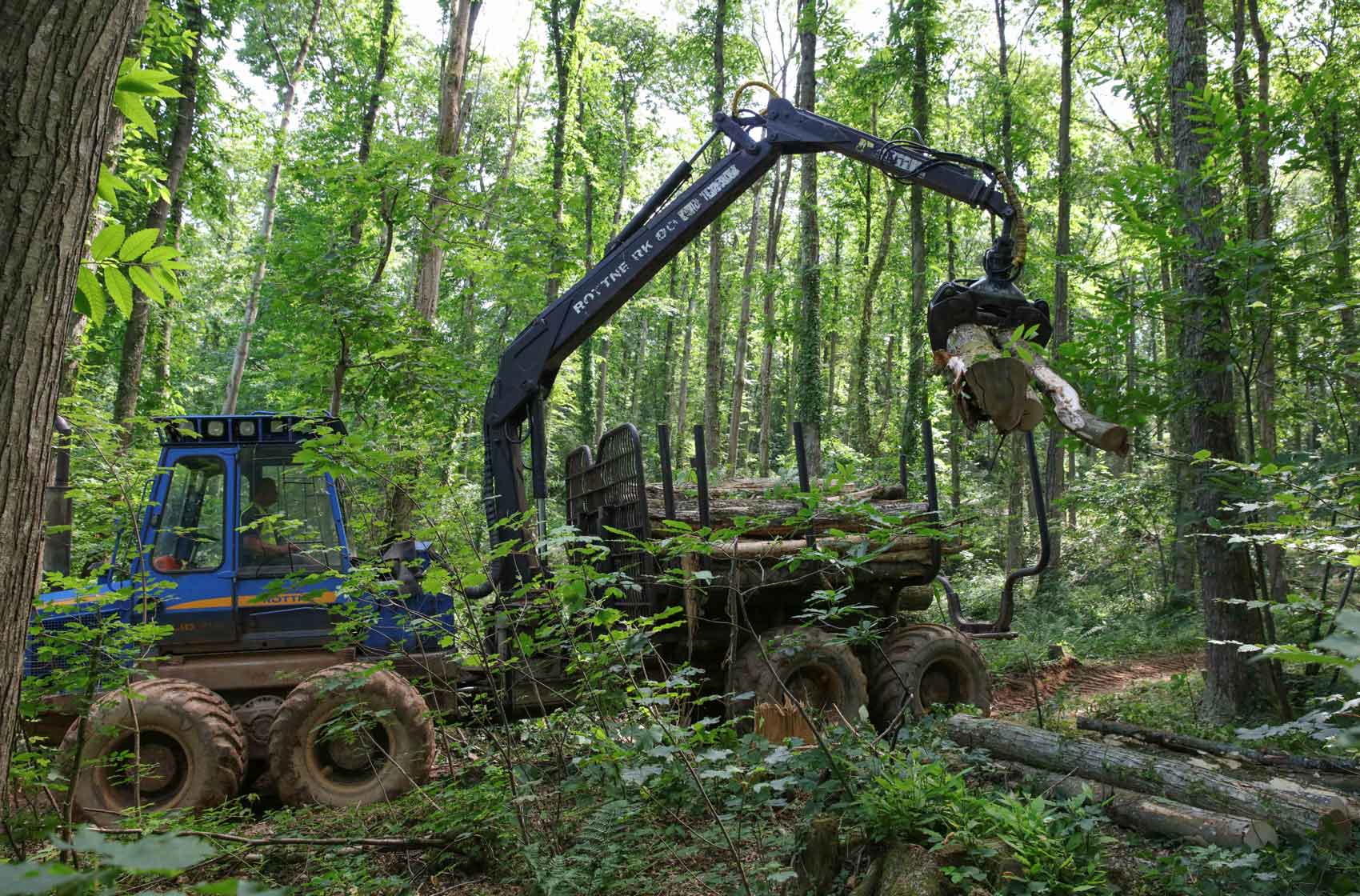
Thinning increases light reaching the forest floor by up to 50%, encouraging ground vegetation and biodiversity.
Removing up to 40% of trees allows the remaining trees more space, light, and nutrients to grow.
First thinning often takes place at 15–25 years old, when trees are most vulnerable to instability. Early thinning helps improve stability and reduce the risk of wind damage.
While it can look dramatic on the ground, it is a planned and temporary stage in the forestry lifecycle, not the end of the woodland. Once harvesting is complete, the site is replanted or naturally regenerated, allowing a new generation of trees to grow. This process ensures forests continue to produce timber, store carbon, and support biodiversity over many cycles.
Clearfelling is carefully planned and managed to meet environmental standards and includes measures to protect soil, water, and surrounding habitats.
Clearfelled sites are restocked and remain in transition for up to 10+ years while new woodland establishes.
Each hectare of forest can typically produce over 500 tonnes of renewable timber for every rotation.
The first 0–10 years after clearfelling create open habitat conditions that benefit species like:
• Ground-nesting birds
• Pollinators
• Early successional plants
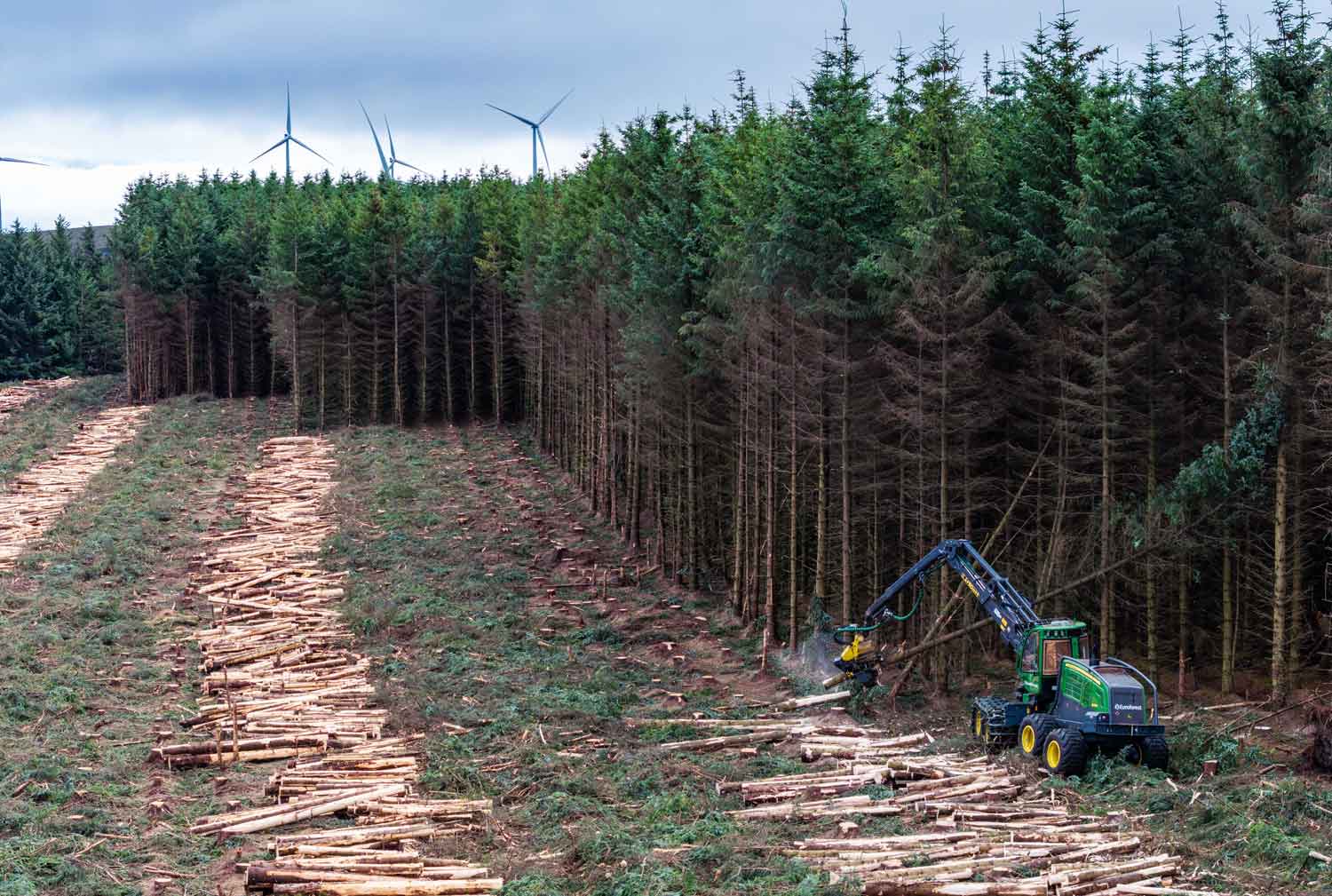
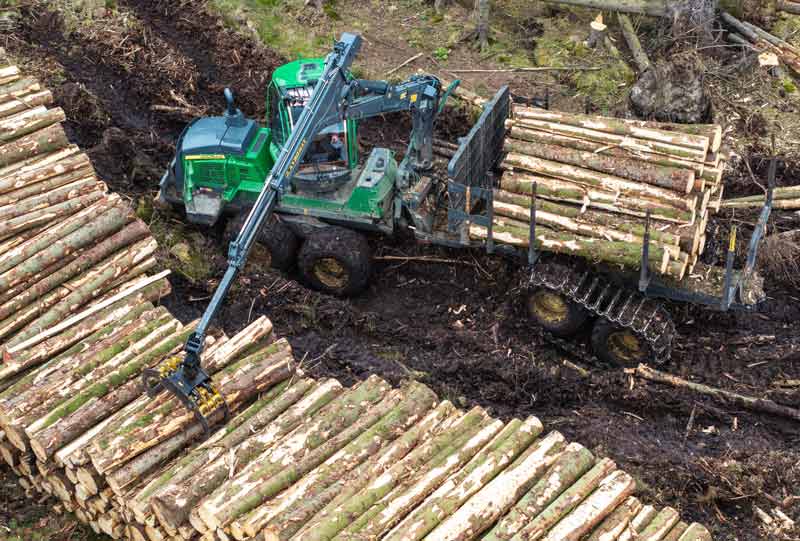
UK forests supply over 10 million tonnes of homegrown timber annually.
Operations are carefully planned with buffer zones of up to 20 meters to protect water and soil.
Harvesting is part of a managed cycle where 100% of productive woodland is replanted or regenerated after final felling
It includes both thinning and clearfelling operations and is carried out in a controlled way by trained operators. It ensures wood is supplied for use in everyday products such as construction, packaging, and energy, while supporting the long-term cycle of sustainable forest management.